My Journey to German Citizenship
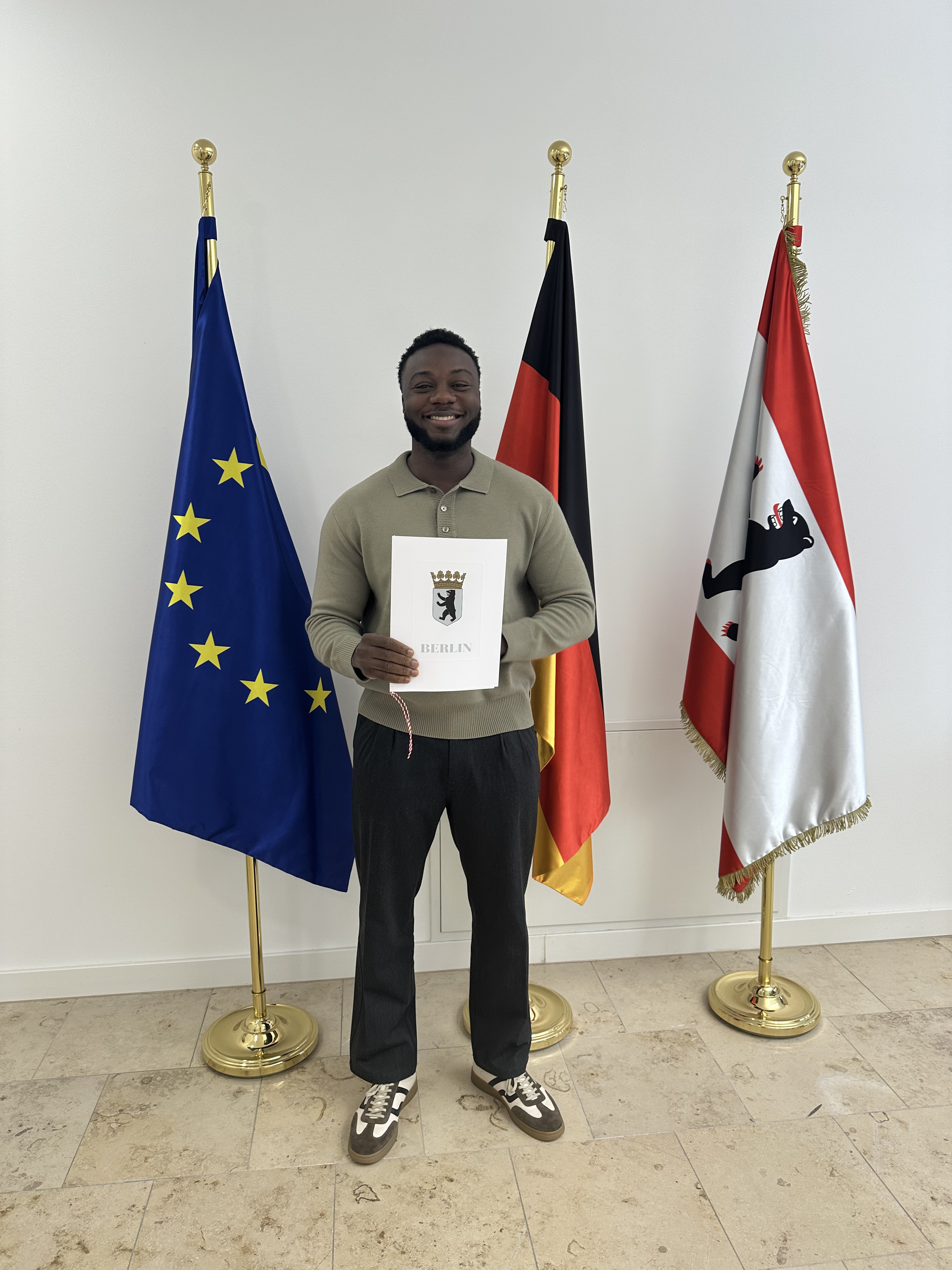
On a cold December day in 2024, I held my German citizenship certificate in my hands. Seven years. Multiple rejections. Countless hours standing on my feet at Burger King. Hundreds of pages of German law I had to teach myself just to navigate the system. This is that story.
The Beginning: 2018
I arrived in Germany in 2018 with a clear goal and very little else. My first job was at Burger King. If you have never worked in fast food, here is what it looks like: ten-hour shifts on your feet, rushing through orders while trying to parse rapid German from customers who had no particular patience for someone still learning the language.
But I was not only a Burger King employee. I was also a waiter, a healthcare worker, an event organiser, and a tradesman. I did whatever it took. I lived in a shared apartment and every euro had a purpose. Those jobs were not just income. They were my German immersion, my cultural education, and my first real test of whether I could stay.
Learning the Language
If there is one thing Germany will teach you quickly, it is that the language is not optional. Not A2. Not B1. I pushed myself to C1. I enrolled in Studienkolleg at TH Wildau to prepare for university study.
I almost failed.
There were nights I questioned the entire decision. The technical vocabulary, the academic expectations, the cultural differences in how teaching and assessment work, all of it felt like too much at once. But I passed. Barely. And that near-failure became one of the more useful experiences of my life. Persistence, it turns out, matters more than a clean record.
The Degree: All in German
With Studienkolleg behind me, I pursued a BSc in Business Informatics. Every lecture, every exam, every group project was in German. Some international students chose English-language programmes. I did not. It was the harder path, but the right one.
That degree was not only about computer science and business. It was proof, to myself and to Germany, that I could operate fully within the system.
Breaking Into Tech
Then came the moment that changed everything. I applied for one student job, a single opportunity to get a foot in the door in Berlin tech.
I got it.
The career path that followed moved quickly: Dr. Smile, then RWE, then Trade Republic, then Cresta. Each role taught me more about the German tech industry, about professional culture, and about what I was actually capable of. But the immigration challenges did not stop because my career was going well.
The IT Specialist Visa: Denied, Then Approved
While working at Trade Republic, I applied for an IT Specialist visa. I had the qualifications. I had the job offer. I had everything the requirements listed.
Denied.
I could have accepted it. Many people do. Instead, I spent several weeks reading German immigration law. Not summaries or blog posts. The actual Aufenthaltsgesetz, the Residence Act. I found the specific paragraphs that supported my case, wrote a detailed response quoting the relevant legal provisions, and resubmitted.
Approved.
That experience taught me something I have carried ever since. In Germany, knowing the law is a practical tool. The system is complicated, but it follows its own logic. If you can show precisely that you meet the legal requirements, you can move through bureaucratic resistance.
Permanent Residency: Waiting
The next step was Permanent Residency, the Niederlassungserlaubnis. I had just received my Blue Card and was ready to apply. The response was simple: wait until October.
October felt like a long time. I had worked hard, met every requirement, and now the answer was a date on a calendar. But something else was happening in Germany around that time. The citizenship laws were changing, and I began to realise I might qualify for citizenship sooner than permanent residency.
The Citizenship Application: Two Months of Silence
I applied for German citizenship. Then I waited.
Two months passed with no response. No acknowledgement, no timeline, nothing. I have learned that silence in the German immigration system rarely means things are moving smoothly. It often means the application is sitting in a queue.
So I did what had worked before. I researched. I found the email address of the director of the LEA, the Landesamt fur Einwanderung. I wrote a clear, respectful message explaining my situation and asking for a status update.
Within days, my case started moving. Three months later, I received my invitation.
I was becoming a German citizen.
The People Behind the Process
I cannot tell this story without mentioning my manager at Trade Republic. When I needed to convert from part-time to full-time employment for my visa applications, they did not just approve it. They actively helped move the internal processes along. That kind of support is not required. It is chosen. And it made a real difference.
Immigration is not only about laws and paperwork. It is about the individuals who decide to help when they have no obligation to.
What I Took Away
The system rewards precision. Do not accept a refusal without understanding the specific reason. Read the law. Quote it. Make your case exact.
Language opens everything. C1 German unlocked opportunities in academia, in my career, and in dealing with the bureaucracy directly. There is no shortcut worth taking here.
Document everything. Every job, every contract, every certificate. You will need all of it, often at the moment you least expect.
Do not wait for permission to reach out. One direct email to the right person changed my entire timeline. Be respectful, but do not be passive.
Your story is a real part of the application. You are not a visa number. You are someone who has been contributing to Germany. Make that visible.
Where It Led
Seven years ago I stood behind a Burger King counter wondering whether I had made the right decision. Today I am a German citizen working in Berlin’s tech industry.
This is not a story about a certificate. It is about what happens when you refuse to let a difficult system define the outcome. Learning a language to the point where you can argue legal statutes in it. Turning each rejection into a research project. Finding the one email address that moves a stalled process forward.
Germany gave me real opportunities. But I had to fight for every single one.
To anyone reading this while still in the middle of their own immigration journey: keep going. The bureaucracy is real. The waiting is genuinely hard. The refusals hurt. But if you are willing to learn the system, stay precise, and stay in the room, you can do this.
You may surprise yourself with how far it goes.
Immigration laws and processes change frequently. This post reflects my personal experience between 2018 and 2024. Always verify current requirements with official sources or a qualified immigration lawyer.
Comments
Loading comments…
Leave a comment
Thanks! Your comment has been submitted and will appear after review.